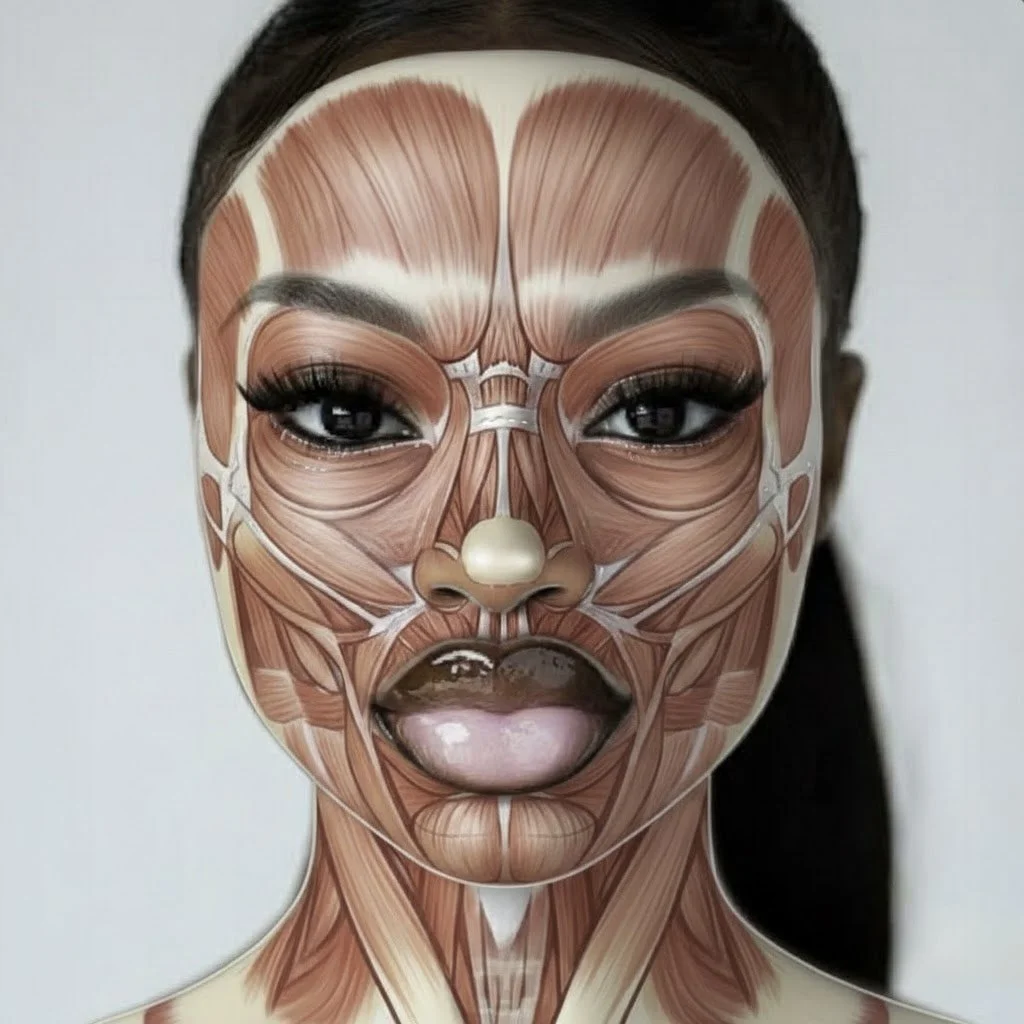
B L A C K A N A T O M Y
Shanise Aesthetics created Black Anatomy because medical education has historically suffered from a profound "shorthand" that defaults to a single skin tone, leaving a massive void in how we understand and treat the global majority. For too long, textbooks and clinical resources have treated white skin as the universal canvas, which isn't just a matter of aesthetics—it’s a matter of health equity. We wanted to dismantle the idea that diverse representation is an "extra" or a "specialty" and instead establish it as the standard. By centering Black bodies in anatomical illustration, we aimed to provide students, clinicians, and patients with the visual language necessary to recognize conditions accurately across all shades. This project is about more than just art; it’s about validation and safety. It’s about ensuring that a Black patient can see themselves reflected in the science of their own healing and that a future doctor is trained to see the humanity and the clinical reality of every person who walks into their exam room. Ultimately, Black Anatomy was born from the belief that you cannot effectively care for a community if you do not visually acknowledge its existence in the foundational blueprints of medicine.
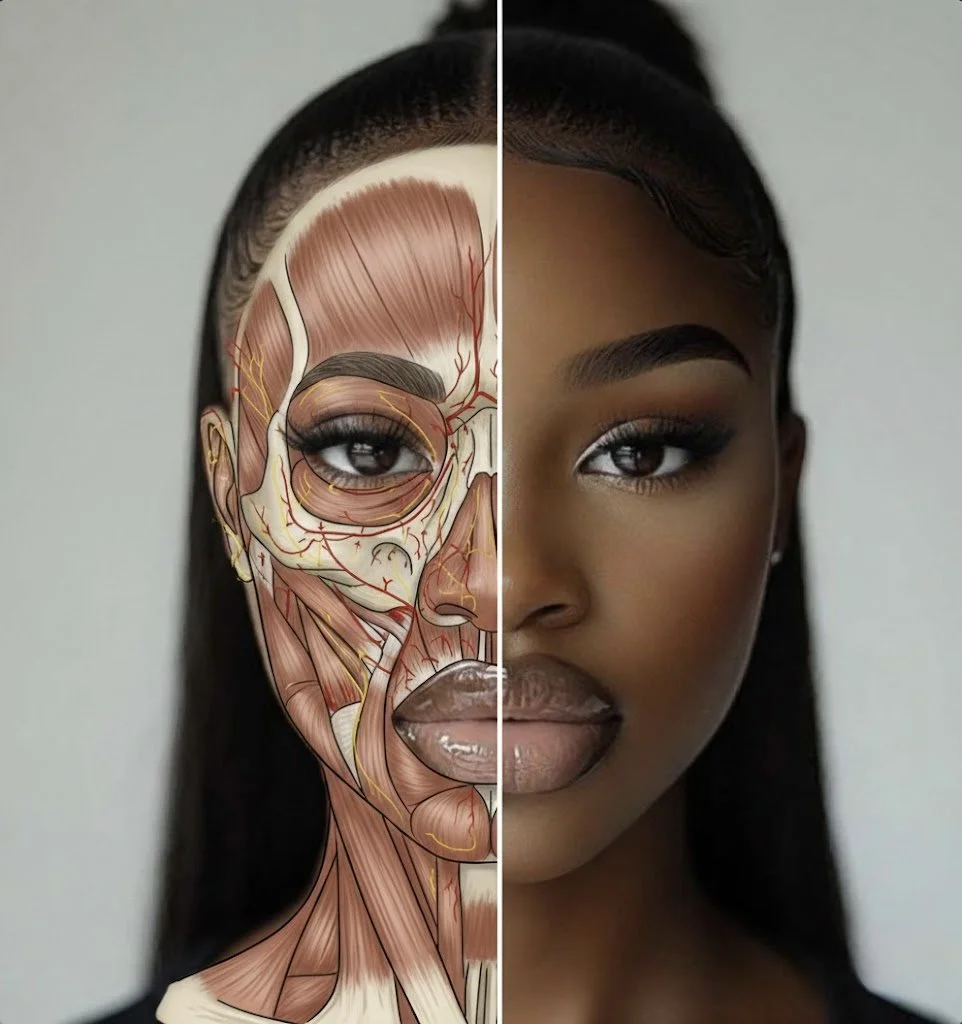
Black anatomy is not a separate biological system—human beings share the same fundamental structures across all races. However, it is a crucial field of study in clinical medicine and dermatology because many physiological traits and pathological presentations are unique to people of Black descent.
Understanding these nuances is vital for equitable healthcare, as medical textbooks have historically centered on Caucasian anatomy, often leading to misdiagnosis in Black patients. The anatomy of those of Black descent reflects a brilliant biological specialization for equatorial climates. This includes more efficient heat dissipation through sweat gland distribution and a highly effective "built-in" filtration system for ultraviolet radiation.
In a modern healthcare setting, recognizing these traits isn't about pointing out "differences" for the sake of it—it’s about providing precision medicine that respects the patient's actual biology.
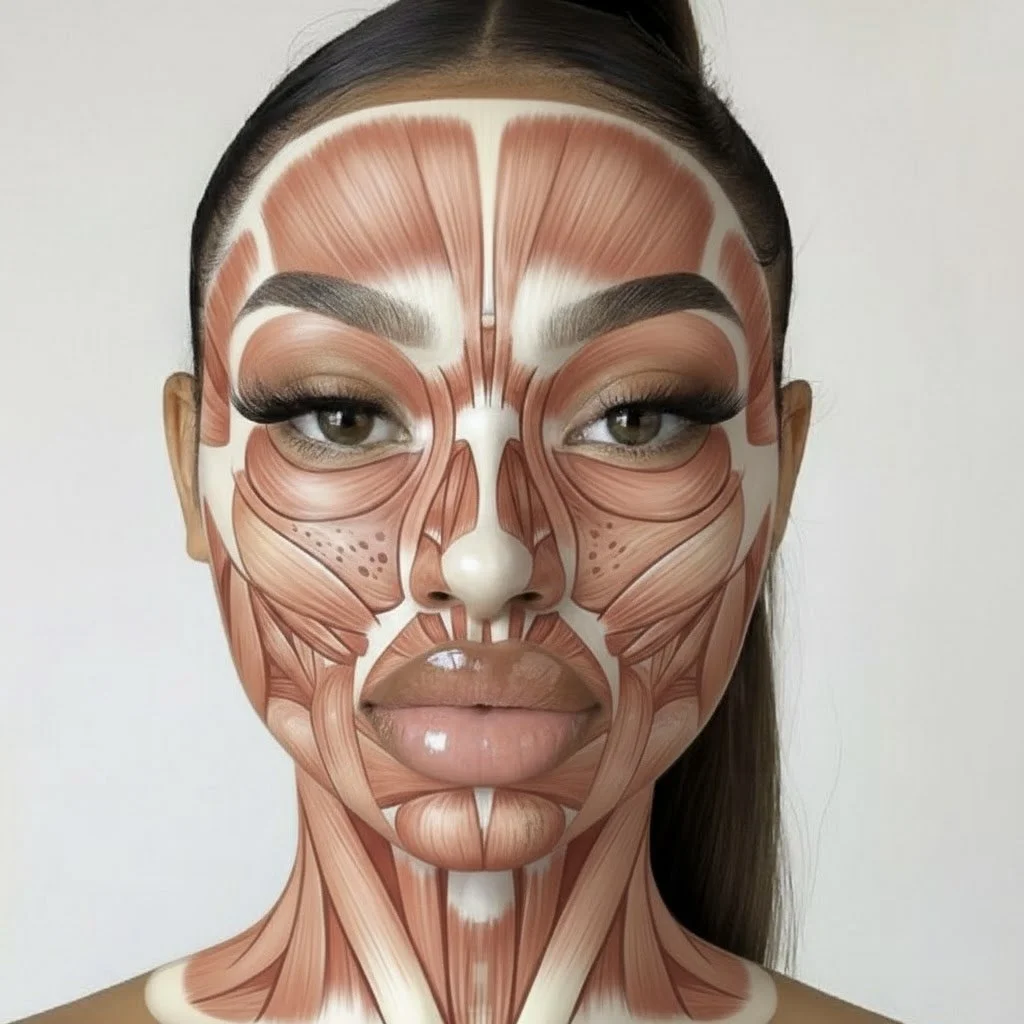
B L A C K A N A T O M Y
In the medical world, "anatomy" is often taught through a singular lens, but true clinical expertise requires an understanding of human variation. For people of Black descent, certain anatomical characteristics—shaped by evolutionary adaptations to high-UV environments—require specific clinical knowledge to ensure accurate diagnosis and treatment.